12 Benefits of being Barefoot
  1. Acupressure/Reflexology – a free foot massage! It relaxes you and stimulates healing in your body and mind. Pretty much the reason for all the numbers below.
  2. Strengthens muscles and joints- which means less injuries and low back pain. ( Medicine & Science in Sports and Exercise)
  3. Cures Insomnia
  4. NO Athlete’s Foot- Feet get the benefit of the fungicidal effect of the sun’s ultra-violet rays. No damp, dark, sweaty shoe to grow in. YUCK! ( The Journal of the National Association of Chiropodists, Samuel Shulman)
  5. Better Arches- Helps build better arches in those little baby feet. I encourage you to especially leave shoes off of your babies when they are learning to walk. Their little toes need to grip. It helps with their motor skills too. Just like their fingers and hands touch different textures, the feet also need this for healthy brain function.
  6. In a research study of 109 children whose mothers objected to their children going barefoot, 9 had very poor feet and 44 had poor feet, only 6 had good feet and absolutely NONE had excellent feet; i.e., about 6 % total were good. Of mothers who had no objection to their children going barefoot (52 kids total), only 2 had poor feet and NONE had very poor feet, while 29 had ( i.e. 56%) had good or excellent feet. ( From Wikler’s book, in Parents for Barefoot Children website)

  7. Improves posture
  8. Reduces Inflammation in the body30-Ways-to-Heal-Inflammation
  9. Lowers BP
  10. Improved digestion
  11. Improves Respiratory and Immune Systems
  12. Lowers Cortisol- decreasing stress
  13. Improves memory, focus, concentration and overall intelligence too! ( Dr. Merzenich, one of the nation’s leading Neuroplasticians.) hmmm…I can think of a few people who need to go barefoot most of the time ;) Now where did I put my keys?

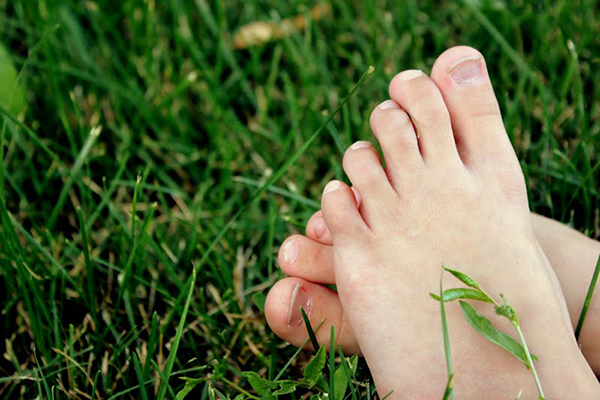
We all need to get more grounded. The earth naturally carries a huge negative charge ( that’s why our appliances are all grounded). Did you know that when our feet touch the ground we get to discharge some unwanted free radicals? What’s keeping you from getting out there and connecting with your environment? Go out and get some dirt between your toes, cool grass on the soles of your feet, and let the stones stimulate nerves. I love it!!

If you have tender feet, start off by going barefoot for 60 minutes and work your way up. Try different textures outside and take in the sounds and smells outdoors. YOU WILL FEEL AMAZING!

CAUTION: Know your yard and your neighborhood. Stay clear of potholes, briars, and the busy bees! Bee alert!

Did I mention your shoes last longer?

Chai Chicken

Whenever I have a delicious cup of Chai tea, I think of my daughter Rachel. She introduced me to it about 5 years ago and I fell instantly in love with it. It is the Indian way of drinking tea. You can buy the tea bags or make it yourself by putting shredded ginger, cinnamon powder and ground cardamon seeds in a pot with 2 cups of water and bring to a boil. Cook for 2-3 minutes to let the flavor come out of the spices, then add tea and stir.

Here’s a yummy Chai Chicken recipe:

At a glance:

  • Prep Time: 10 minutes
  • Cook Time: 45 minutes
  • Serves: 4

Ingredients:

  • 4 chicken legs
  • 4 or 5 sliced carrots
  • 1 cup coconut milk
  • 2 cups of Chai tea

Directions:

  1. Preheat oven to 350 degrees
  2. Place the chicken and the carrots in your favorite casserole dish
  3. Sprinkle on a pinch of salt and pepper
  4. In a pot pour the coconut milk and tea together and boil
  5. Pour over the chicken and carrots
  6. Cover with a lid and bake for 45 minutes (longer if your chicken is bigger and needs it)
  7. Serve it up with brown basmati rice and some greens of your choice
  8. Use whatever coconut milk mixture is left as a sauce

Let me know how you like it. Enjoy!

Slow Down and Chew

Have you ever stopped to notice that we use all our senses to eat? Eating is one of our greatest pleasures and yet most don’t stop to really enjoy the look, smell, texture, sound or even the taste of their food. Most don’t even stop to chew. I am sure all of us can admit to inhaling our food at one time or another.

Skimping on the chewing can increase your chances of spending your time and money at the doctor’s office complaining of acid reflux, indigestion, heartburn, bloating, belching, constipation, stomach discomfort and even weight gain. Just simply chewing can resolve many of your ailments. You can dramatically change your life just by making little adjustments here and there. Most are very simple… or “easy peasy”, as my grandchild Gabby would say.

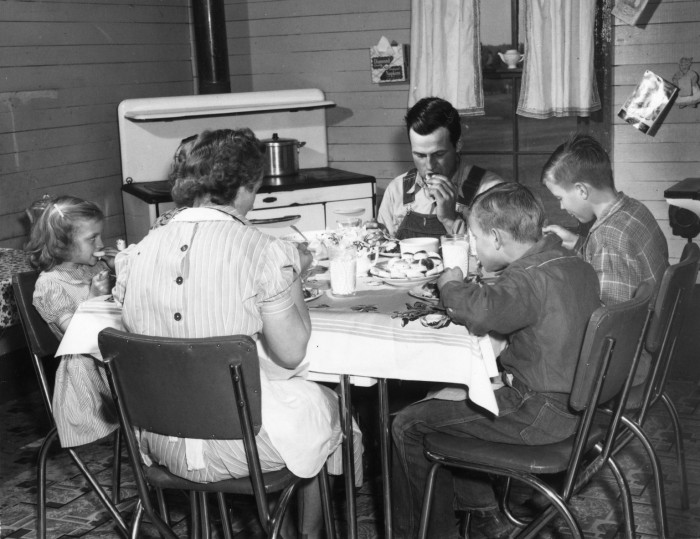
Let’s slow down and chew, it’s very crucial for you. We all have busy lifestyles with work, running the kids here and there, going to the gym, homework, dinner, bath time and finally bedtime. Eating on the run increases your chances of not chewing properly. We barely make time to sit down together anymore and share a meal. We tend to inhale our food in front of a TV or computer, using our fork like a shovel pushing our next bite in before we have even finished swallowing the previous one. This is so bad for your health!

I am sure that you, like myself, learned basic anatomy in Junior High or High School… that digestion begins in the mouth by chewing. Stop for a minute and think about how over worked the stomach is if we cheat or skip the first step. The more we break that steak down in our mouth, the easier on the digestion in the stomach.

Many suffer with indigestion and/or acid reflux due to not chewing properly, so you can see that if your food is not properly broken down before meeting up with your esophagus, it will remain undigested and cause an overgrowth of bacteria in the intestines. Do you know that the action of chewing and producing saliva helps trigger a message to your stomach, intestines, and the whole gastrointestinal system to get on board that digestion has begun? They receive their message and prepare for their individual responsibilities. They take their duties seriously all to keep your body in balance.

What’s the “sense” of chewing?

The sight of your food alone is enough to stimulate the secretion of digestive enzymes, the smell and eventually the taste of your food, causes enzyme secretion to increase. When we start to eat, the first step of chewing helps our food to encounter these enzymes in our saliva. The process of digestion continues, the enzymes are then secreted by cells within the lining of the stomach and gastrointestinal systems.

Chewing longer can help you lose weight. This statement alone helped me to slow down on my chewing.

In the American Journal of Clinical Nutrition, a researcher stated, “eating more slowly could be a simple and effective way of tackling weight problems”. They went on to say  “Research indicates eating quickly, gorging and binge eating have a substantial effect on being overweight”. “Our results showed obese participants chewed less and ingested more quickly than lean ones.”

A survey of 1,000 people last year by the sandwich chain Subway showed the average person in Britain chews their food just six times before swallowing it.

Experiment around with chewing. If you are one of those who only chews 3-6 times before swallowing, try chewing 25 to 40 times before letting it go down the hatch. Try placing your fork down on the table after each bite and do not pick it up again till you have completely chewed and swallowed. Focus on fully chewing each bite. At first you will feel silly, but it will become a habit and one that you will enjoy. Don’t rush the best part of eating. Pay attention and savor each level of flavor. You will notice that you will get full faster. I want you to notice how you feel at the end of your meal.

Now go enjoy that meal and don’t forget to chew!

Back to the top